Missouri Freeze-Thaw Cycles: Why Unsealed Concrete Cracks in the Winter and How Concrete Sealing in Missouri Prevents It
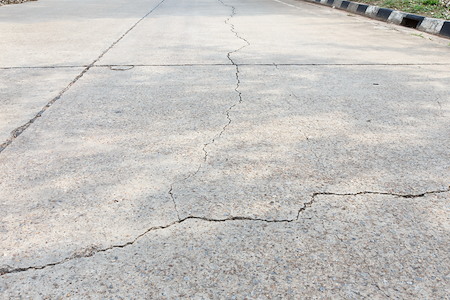
Warm sun at lunch. Hard freeze after dark. That is a normal winter day in Missouri. Those swings push melted snow deep into porous driveways, sidewalks, and steps. When temperatures drop again, the trapped water expands and tears your concrete apart from the inside. The result is pitting, flaking, and wide cracks that get worse every season. The smart fix is planning professional protection with our concrete sealing service before the first hard freeze.
At City Wide Softwash, our pressure washing and sealing team helps homeowners across the St. Louis area protect high-traffic slabs, front walks, and patios. We use professional-grade penetrating sealers that keep water and road salt from soaking in while allowing the surface to breathe. That balance is the key to long-lasting protection through Midwest winters.
How Freeze-Thaw Damages Missouri Concrete
Concrete is full of tiny pores and hairline openings. Meltwater from snow and ice finds those pathways and seeps below the surface. When temperatures fall, water expands as it turns to ice. That expansion pushes against the concrete paste and aggregate, creating internal stress that shows up as pop-outs, surface scaling, and cracks.
Road salt and deicers make the damage worse. Salt-laden brine is drawn into the slab and breaks down the paste that holds the surface together. Repeated storms and refreezes compound the effect, especially on north-facing drives that stay shaded and in neighborhoods along busy routes where street salt gets tracked in.
Moisture, Deicing Salt, and Porous Surfaces
Porous concrete acts like a sponge. During the day, sun and traffic melt snow into liquid that sinks in. Overnight cold refreezes the water and expands the pores. Add deicing chemicals and you get chemical attack plus mechanical stress. Never rely on a shiny film sealer that looks good but traps moisture beneath it; that can speed up flaking when winter returns.
- Common winter damage signs: pitting, pop-outs, and surface scaling that looks like peeling chips.
- Growing issues: hairline cracks that widen each spring and new flake lines near tire paths.
- Risk zones: driveway aprons by the street, shaded slabs, and steps that catch splash and salt.
Topical Sealers vs. Penetrating Silane/Siloxane
Not all sealers are the same. Many cheap retail sealers are topical. They form a plastic-like film on top of the concrete. That film can make the surface look glossy and even slick when wet. It also tends to peel and scratch in high-traffic areas. Worse, it can trap moisture in the slab. When freeze-thaw hits, trapped water has nowhere to go.
Professional penetrating sealers work differently. Silane and siloxane molecules are small enough to soak below the surface, then chemically bond within the pores. The treatment creates a hydrophobic barrier that repels liquid water and salty brine while staying vapor-permeable. That means moisture can still escape as a gas, which helps reduce pressure swings in cold snaps. Penetrating sealers do not make surfaces shiny or slippery, so they are safer for driveways, steps, and sidewalks in winter conditions.
Our crews pair expert surface prep with the right silane/siloxane blend for local conditions. That combination is a core part of smart midwest concrete maintenance and is designed to help prevent driveway cracking in winter rather than chase repairs later. If you have questions about washing and prep, our pressure washing services make sure the surface is clean and ready for a deep, even application.
Local insight: St. Louis often swings above and below freezing in a single day. Salt can be tracked from major routes onto your driveway even if you do not spread it yourself. A breathable, penetrating sealer helps keep that brine out of the slab so the next cold snap does not turn moisture into expanding ice.
The Right Seasonal Timeline For Missouri Homeowners
Timing is everything. The goal is to start winter with a clean, dry, and protected surface. That means planning ahead so there is time for professional washing, drying, and a quality penetrating treatment before the first freeze cycle of the year.
- Late Winter to Early Spring: After the last storms, have a professional rinse and clean to remove road salt and deicer residue before it sits through humid months.
- Summer: Monitor high-traffic areas. If water quickly darkens the surface, pores are open and moisture is soaking in, which signals the need for sealing ahead of fall.
- Early Fall: Schedule penetrating silane/siloxane treatment. Weather is typically drier with mild temps that allow even absorption and proper cure.
Seal in fall when the surface is clean and dry. That is the sweet spot for Missouri’s climate. Sealing right before winter helps block the moisture and salty brine that drive freeze-thaw damage. It also makes snow removal simpler because slush has a harder time sticking to a treated surface.
Why Professional Concrete Sealing Pays Off
A quality siloxane concrete sealer helps keep liquid water out of the slab and supports a longer service life. It reduces the chance of new flaking and helps keep small cracks from growing as fast. Sealed driveways are easier to clear after snow, and they are less likely to get slippery films from failing topical coatings. Most important, sealing is preventative. It aims to stop the cycle before it starts again this winter.
Working with a local team matters. Crews familiar with Missouri neighborhoods understand shady lots in North County, high-salt exposure along major corridors, and the moisture around the river valleys. They choose coverage rates and product blends that match your concrete’s age and porosity instead of a one-size-fits-all retail jug.
Want a deeper dive into the process and benefits? See how professional concrete sealing prepares your driveway for the first freeze and protects it through the spring thaw. Our approach is built for local weather patterns and the way Midwest homes are used day to day.
Where We See The Most Risk Around St. Louis
Missouri winters are tough across the region, but some spots get hit harder than others. In the St. Louis area, driveways near busy routes collect extra salt spray. North and east exposures in places like Florissant or Oakville stay colder and wetter. Subdivisions with mature trees in Chesterfield or Ballwin keep slabs shaded, which slows drying after storms. Front steps and short walkways in older neighborhoods can hold meltwater near the house where heat and cold meet and refreeze quickly.
Sidewalks along sloped streets or in cul-de-sacs see more plow spray and packed slush. Patio slabs in back yards that do not get winter sun are also frequent trouble spots. If you recognize any of these patterns, getting protection in place before the first cold snap is the best move.
Penetrating Protection vs. Quick Shine: A Clear Difference
It is tempting to roll on a shiny film that looks like instant improvement. But appearances can be misleading. Film-forming sealers can get slick in winter, scuff under tires, and peel in sheets. That failure lets water dive deeper into open pores. Penetrating silane/siloxane sealers keep the natural look of your concrete while helping it repel moisture and salt at the source. This is the difference between a short-term gloss and long-term protection built for Missouri freeze-thaw.
Plan Ahead And Protect Your Investment
Think of sealing as a shield, not a shine. When you plan ahead, your driveway and walks face winter with fewer weak points. That saves you from noisy hollow spots, crumbly edges, and expanding cracks in spring. It also helps maintain curb appeal for homes across St. Louis, St. Charles, and the surrounding suburbs.
For more on our approach, meet the team and explore services starting at our homepage. You can learn about concrete sealing Missouri resources, seasonal scheduling, and how our local crews prepare surfaces for reliable results.
Ready To Protect Your Driveway Before Winter?
If your driveway darkens fast when it gets wet, or you are seeing fresh flakes near the tire paths, you are on the clock. Book before the first hard freeze to give your concrete the best chance to shrug off salt and cold. Call City Wide Softwash at 314-799-7822 to schedule your visit, or talk with our team about the right silane/siloxane treatment for your slab and exposure. You can also start here to see what goes into a quality application with our concrete sealing service.

Request Your Quality Pressure Washing & Gutter Cleaning In Kirkwood Today!