Paver Sealing Mistakes to Avoid in St. Louis, MO: Keep Your Patio Looking New for Years
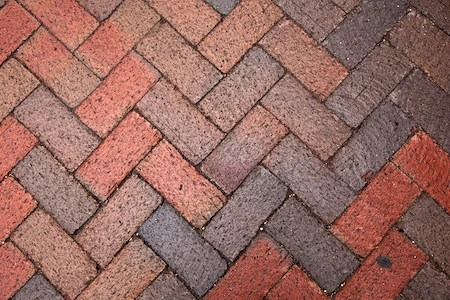
If you want your patio to look great for the long haul, paver sealing is one of the smartest moves you can make. The key is avoiding the common mistakes that shorten a sealer’s life or leave blotchy, slippery results. In this guide, we explain what goes wrong most often on brick and stone pavers in St. Louis and how a professional approach keeps your investment protected. When you are ready for results that last, our professional sealing service brings the right prep, chemistry, and timing together on every project.
What Paver Sealing Really Does For St. Louis Patios
Sealer creates a protective barrier that helps block stains from grills, planters, and everyday foot traffic. It slows color fade from sun exposure, locks in joint material to help resist weeds, and makes routine cleaning faster. That protection matters in neighborhoods across the metro like Kirkwood, Webster Groves, Ballwin, and Chesterfield where we see hot, humid summers, leaf tannins in fall, and freeze–thaw cycles in winter.
Because weather swings are so sharp here, the right product and schedule make a visible difference. Film-forming sealers can add a richer “wet look,” while penetrating sealers aim for a natural matte finish. Either way, correct prep and application are what separate a patio that still looks sharp in two years from one that turns cloudy in a month.
The Most Common Paver Sealing Mistakes To Avoid
1) Sealing Over Damp or Dirty Pavers
Moisture or embedded grime under a fresh coat causes hazing, white spots, or early failure. Fast afternoon storms and high dew points are a St. Louis reality, and patios in shady yards around Tower Grove or the Central West End can hold moisture longer than expected. Never seal over damp or dirty pavers. Proper surface cleaning, stain treatment, and verified dry time are essential for a clear, even finish.
2) Ignoring Efflorescence and Loose Joint Sand
Efflorescence is the white, powdery mineral film that wicks to the surface as pavers shed salts. If you trap it under sealer, it telegraphs through and looks cloudy. Loose or under-filled joints invite washout and weed growth, even under a sealer. Address the problem first with targeted efflorescence cleaning and proper joint stabilization so the sealer locks in a sound surface.
3) Choosing the Wrong Sealer for Brick vs. Concrete Pavers
Not all sealers behave the same on every surface. Brick pavers, clay units, and dry-cast concrete each absorb and reflect coating differently. Using the wrong chemistry or sheen can leave a slick surface on a pool deck or a blotchy, uneven tone on the patio. A finish matched to your paver type and use area looks better and wears longer.
4) Overapplying Sealer or Layering Coats Too Soon
More is not better. Heavy coats can stay tacky, turn milky, or get slippery when wet. Applying a second coat before the first has cured can also trap solvents or moisture. Do not overapply sealer. Even, measured coverage with adequate cure time produces a clear, durable film.
5) Sealing in the Wrong Weather Window
Timing is everything. High humidity, direct midday sun on dark pavers, or an incoming cold snap can spoil an otherwise good job. In St. Louis, shoulder seasons often work best, but every property is different. Watch the weather forecast and plan around dew, wind, and temperature swings so the sealer can cure as intended.
6) Skipping Edge-to-Edge Coverage
Stopping short at borders or around posts creates dull halos that stand out once everything dries. Clean cut-in work, consistent passes, and careful detail around steps, seat walls, and columns are what make the finish look professional.
7) Expecting Sealer to Hide Installation Problems
Sealer is a protective finish, not a fix for low spots, wobbly borders, or drainage issues. If your patio settles near the grill station or a corner holds water after storms, the underlying grade or base needs attention first. Otherwise, any coating will wear unevenly.
How Long Does Paver Sealer Last In St. Louis?
Lifespan depends on product type, sun exposure, foot traffic, and how clean the surface stays. In our climate, high-quality systems typically need maintenance on a predictable cycle to keep color rich and joints tight. Plan on resealing every 2 to 3 years in our climate, with lighter-use, shaded patios sometimes stretching a bit longer and south-facing pool decks needing touch-ups sooner. Keeping the surface free of grit and leaves helps the finish last between visits.
Local Factors That Change the Game
Neighborhood tree cover increases leaf tannins that stain. Clay-heavy soils common around Wildwood, Sunset Hills, and parts of South City can hold water after storms, keeping pavers damp longer. Busy patios in Lafayette Square or Soulard often see food and drink spills that penetrate if not protected. Pairing the right sealer with the right timing is what keeps your surface even in tone and safer underfoot.
Signs Your Patio Needs Resealing
- Color looks faded or washed out compared to protected areas under furniture.
- Water stops beading and begins to darken the surface.
- Sand loss or small weeds appear in the joints.
- Surface feels slick when wet or tacky on warm afternoons.
- White haze, scuffs, or patchy shine that won’t wash away.
Why “Patio Sealing Tips” Often Go Wrong Online
It’s easy to find generic advice, but those tips rarely account for St. Louis weather swings, regional paver types, and shaded yards that trap moisture. A better approach is leaning on local expertise and proven processes. For more context on cleaning methods and stain behavior, you can browse our latest pressure washing tips and see how we adapt to surfaces across the metro.
Protecting Brick Pavers Without Sacrificing Traction
Brick patios near pools and play areas need protection that also keeps footing secure. Glossy film-formers can look great in the right spot, but might not be the best fit everywhere. A sealer chosen for the surface and use pattern helps resist oil, sunscreen, and drink stains without turning steps and entries into slip zones.
Weather-Smart Scheduling Across the Metro
From Chesterfield to St. Louis City, successful sealing often means starting earlier in the day, giving shaded patios more dry time, and avoiding quick pop-up storms. Coordinating around spring pollen and late-fall freeze–thaw swings improves clarity and longevity. That calendar planning is part of the value you get with a seasoned crew.
Maintenance That Extends Sealer Life
Regular sweeping or low-pressure rinsing helps keep grit off the finish so it doesn’t abrade. Avoid harsh de-icers on sealed surfaces; ask about paver-safe options that won’t dull the sheen. When a stubborn white film appears months after sealing, it may be new salt formation, not a failed coating. That calls for targeted cleaning rather than stacking on more sealer.
Quick Checklist: Mistakes That Shorten Sealer Life
- Applying over moisture, stains, or active efflorescence.
- Using a product not suited to brick vs. concrete pavers.
- Heavy coats or rushing the time between coats.
- Working in the wrong temperature, sun, or humidity window.
- Skipping joint stabilization and edge detail.
The Right Way To Get Long-Lasting Results
Great outcomes come from correct prep, the right chemistry, and careful application. Our team cleans for bond, manages moisture, and matches finish to the surface and setting. If you want your patio to stay bright and even, trust a process designed for local conditions. Many homeowners start with a targeted paver sealing plan and then follow a simple seasonal upkeep rhythm that keeps the finish performing.
Related Services That Support A Better Seal
Sometimes the best next step is surface-specific care before coating. Mineral deposits can return if they are not addressed the right way. When that white film shows up on brick or concrete, our focused efflorescence cleaning helps restore clarity so sealer cures clean. For larger hardscape areas with mixed materials, pairing patio work with driveway protection through concrete sealing can make your whole approach match and last.
Choose A Local Pro You Can Reach
You deserve a crew that answers the phone, shows up on time, and stands behind the finish. That is why St. Louis homeowners count on City Wide Softwash for clear scheduling, careful prep, and dependable follow-up. When you’re comparing companies, look for proven local experience with brick pavers in older neighborhoods and with newer dry-cast pavers in subdivisions around Ballwin and O’Fallon.
Ready To Love Your Patio Again?
Keep your outdoor space bright, even, and easier to maintain with help from City Wide Softwash. Call us at 314-799-7822 or start your plan for paver sealing in St. Louis, MO that fits your patio and the local weather. When results matter, this is the simple path to a finish that lasts.
Prefer to start online? You can learn more or book service anytime on our paver sealing page. We look forward to helping you enjoy your patio again this season.
Important: Avoid last-minute sealing right before a holiday party or big event. Fresh coatings need an undisturbed cure time to harden correctly, so plan ahead and give the finish room to set. If something changes with the forecast, rescheduling protects your investment and helps you get the clear, even look you want. For large, sun-soaked patios, shade and early-day timing can also improve results in mid-summer. Call now for paver sealing in the St. Louis area.

Request Your Quality Pressure Washing & Gutter Cleaning In Kirkwood Today!